


KLRN strives to provide valuable educational content to every family in our viewing area, from great drama, world-class music, in-depth news, fascinating "how-to" programs and, best of all — non-violent educational programs for your children.
During these uncertain times, KLRN is adapting and creating educational resources in an easy-to-follow format. We aim to provide educational content and resources that support every family in our community.
We have added a new 4 PM time slot that aims at providing educational content for older school age students. You will find resources tied to each of these programs aired daily with lessons from our PBS LearningMedia site. With this weekly blog we hope that getting a sneak peak of what is airing the following week will help you as you plan lessons. We are also including Lesson plan ideas for you to use!!
We hope that this will help you as you plan your lessons for your students to Learn at Home.
All the best,
KLRN’s Education Team
Breakthrough: The Ideas That Changed The World: The Car
Monday, May 18 at 4 PM
Go for a ride through the 9,000-year history of the car, from its roots in dogsleds to Henry Ford's affordable and assembly line-built Model T, and meet the scientists working on the next generation of self-driving automobiles.
Grades 1-4
Use wind power! The town of Bottawa loves using wind as power! Can you create a car that uses the air to move? Use the engineering design steps listed in this activity to create your own wind-powered car!
Grades 3-8
Make 4-wheeled, air-powered cars that jet across the floor. Experiment with the design process and thrust in this activity from Design Squad Nation.
Grades 6-12
Carbon Fiber Car of the Future
In this video segment adapted from NOVA, hear physicist and energy expert Amory Lovins explain how to make more efficient cars by making them lighter and more aerodynamic. Explore how the use of carbon fiber can reduce weight without reducing size or durability, and learn about some manufacturing challenges associated with using carbon fiber materials.
Native America: Cities of the Sky
Tuesday, May 19 at 4 PM
Discover the cosmological secrets behind America's ancient cities. Scientists explore some of the world's largest pyramids and 3D-scan a lost city of monumental mounds on the Mississippi River; native elders reveal ancient powers of the sky.
Grades 6-12
The Sun Ceremonies of Teotihuacan
Teotihuacan, located just outside Mexico City, is the ultimate celestial city, though the names of its builders are no longer known. The Aztecs discovered the city as ruins, and built it into an empire. At Teotihuacan's height, between the first and fifth centuries, 125,000 people lived in the city, which was larger than the walled city of Rome. The Sun Pyramid, at Teotihuacan's center, is one of the largest structures of the ancient world — bigger than Giza!
Featured archaeologists describe the human activity and sun ceremonies conducted by the Aztecs, who created their calendar around the different positions of the sun at different times of the year. The structure of the cities and their relationship with Aztec religious beliefs are based on this cosmic calendar.
Wild Weather
Wednesday, May 20 at 4 PM
Watch an innovative documentary that illustrates how weather works by performing brave, ambitious (even unlikely) experiments that show how nature transforms simple ingredients like wind, water and temperature into something spectacular and powerful.
Grades K-2
Observe various severe weather phenomena in this image gallery from WGBH. Weather is the combination of factors—temperature, wind, snow or rain, and sunlight and clouds—that happen in a specific place at a specific time. Sometimes the combination of factors describes different types of threatening weather conditions that can be severe and dangerous, such as a powerful blizzard or windstorm. Students can use the gallery images to observe various severe weather conditions and compare factors across conditions.
Grades 5-8
Forests reduce flooding and rainfall runoff. Trees affect the weather. Weather affects trees. Natural disasters – tornadoes, hurricanes and fire – can be good for forests.
Grades 6-12
These writing prompts are tools for educators and students to use in the classroom to encourage creative writing. The topics covered in these clips are a variety of science related information bits that challenge a student to interpret what they see.
History Detectives
Thursday, May 21 at 4 PM
In the 10th season premiere episode, Elyse Luray and Wes Cowan investigate whether they have found rock's Holy Grail, the long-lost electric Fender Stratocaster Bob Dylan plugged in at the '65 Newport Folk Festival, changing rock 'n' roll forever. Tukufu Zuberi tracks down some autographs allegedly signed for two brothers in Miami Beach during the Beatles' legendary 1964 "British Invasion" tour of the United States. Finally, Gwendolyn Wright investigates a $5 thrift store find and unearths a little-known artistic side of musical iconoclast Frank Zappa.
Grades K-5
Vibrations are the basis for all sound. Controlling the frequency of sound-producing vibrations is the key to creating and playing musical instruments. In this video segment adapted from ZOOM, two cast members demonstrate how to make guitars out of boxes and rubber bands, as well as how the sounds these instruments make can be manipulated.
Grades 6-12
Charlie Christian and the Introduction of the Electric Guitar
This Soundbreaking clip highlights the importance of electric guitarist Charlie Christian's role in the history of the instrument. George Benson and Gary Giddens explain that John Hammond's role in connecting Christian with renowned band leader Benny Goodman changed the way band leaders thought of the guitar, as its role went from a strumming background instrument to a lead/solo instrument.
(Accompanying Lesson Plan):
How Electricity Helped Bring the Guitar to the Forefront of Popular Music
Little Women on Masterpiece Part 3
Friday, May 22 at 4 PM
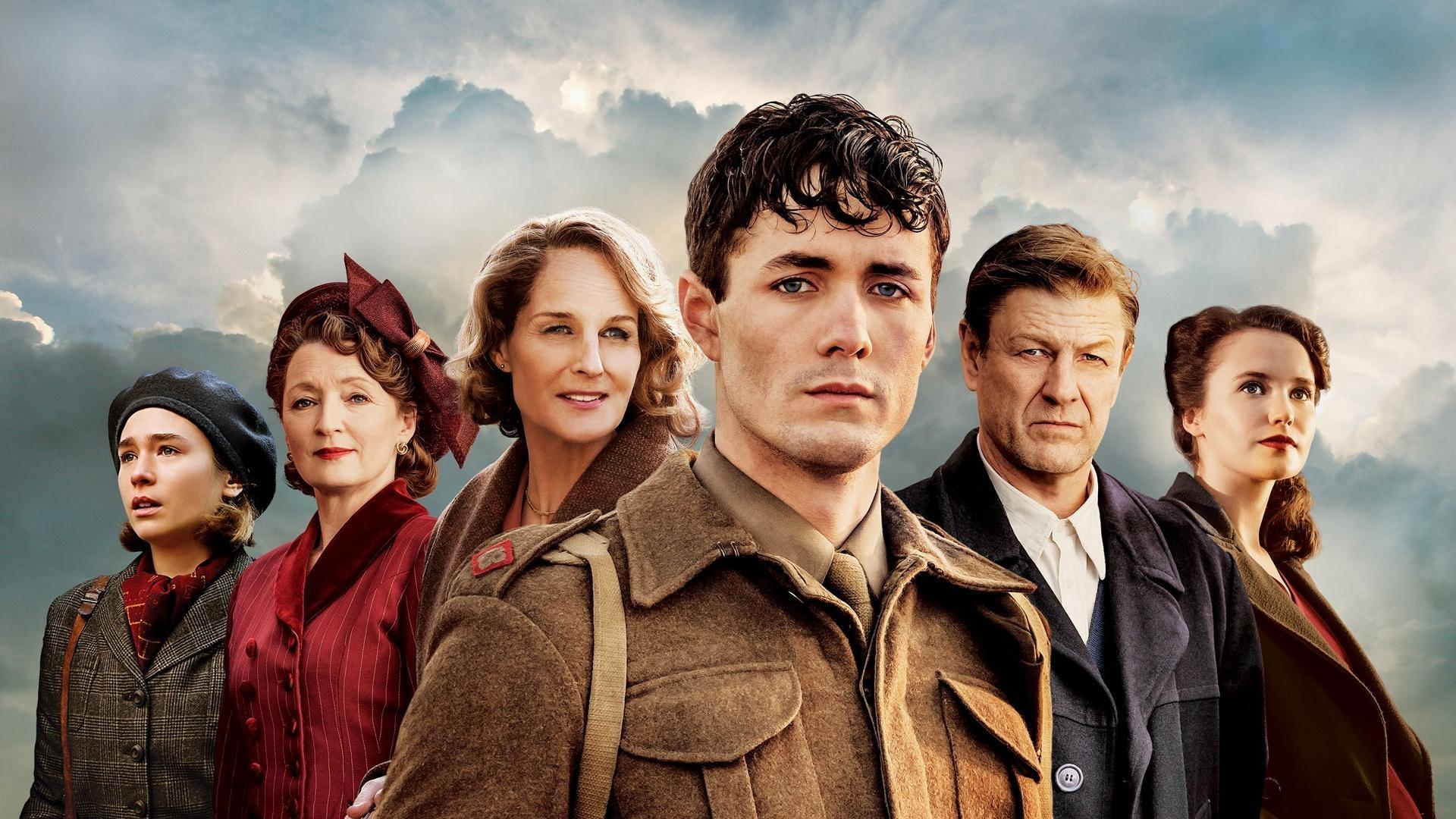
The March family fears the worst when Mr. March falls ill. As circumstances change for Meg, Jo, Beth and Amy, the family must come together to face their most difficult challenge yet.
Grades 6-9
An Iconic Character: Little Women
Experience one of the most dramatic scenes in Little Women, the beloved American classic by Louisa May Alcott, in this video excerpt from Little Women | MASTERPIECE. When the March girls receive word that their father, a Union army chaplain in the Civil War, is gravely ill, they pitch in to help their mother travel to Washington, DC to care for him. Jo decides to sacrifice her "one beauty" and sells her long hair to fund her mother's trip, revealing both her strength of character, her love of her family, as well as her impetuous and unconventional nature.
Breakthrough: The Ideas That Changed The World: The Rocket
Monday, May 25 at 4 PM
Learn the explosive history of the rocket, from its origin in ancient China, to its use as a weapon of war, to how adding hydrogen allowed it to carry astronauts all the way to the moon.
Grades 3-8
Rocket Launch: Live Exploration
Relive the celebrations of Apollo 11’s 50th anniversary with this special trip to the Museum of Aviation in Warner Robins, GA. This virtual exploration offers viewers an inside look into the museum as they learn about Georgia’s unique ties to space exploration. This program was recorded live at the Museum of Aviation on July 16, 2019.
Grades 6-8
Straw Rocket Engineering Design Challenge
Students use the engineering design process to create a straw rocket in this lesson plan created by teacher Nicolette Forde-Mason
Grades 7-12
Students build virtual rockets to explore the physics concepts of forces (thrust, drag, lift, weight) and Newton's Three Laws of Motion: Inertia, Acceleration and Interaction.
Native America: New Worlds Rising
Tuesday, May 26 at 4 PM
Discover how resistance, survival and revival are revealed through an empire of horse-mounted Comanche warriors, secret messages encoded in Aztec manuscript and a grass bridge in the Andes that spans mountains and centuries of time.
Grades 4-12
Hispanic Exploration in America
Spain’s explorations were driven by the desire to expand its knowledge of the world, to discover spices and riches, and to spread Christianity. In 1492, when Christopher Columbus, on a journey funded by Spain, took a westerly course across the Atlantic Ocean searching for an alternative route to the Indies, he inadvertently “discovered” a new continent. This set of primary resources from the Library of Congress provides a window into this time period, as well as a Teacher's Guide with historical context and teaching suggestions.
NOVA: Rise of the Superstorms
Wednesday, May 27 at 4 PM
Dive into the devastation wrought by Hurricanes Harvey, Irma and Maria. How can scientists better predict these storms, and what does the 2017 season tell us about the likelihood of similar storms in the future?
Grades K-4
Explore what happened during Hurricane Katrina and how people came together to help each other in the aftermath, with this song from Postcards from Buster.
Grades 6-12
Meteorologists have gone to great lengths to identify the atmospheric conditions that trigger hurricanes. The list of ingredients is fairly short: warm ocean temperatures, lots of moisture in the middle and upper atmosphere, and light winds in the upper atmosphere. In this animation from NASA, learn about the conditions necessary for the creation of a hurricane.
History Detectives
Thursday, May 28 at 4 PM
What does the evocative symbol of a bird dropping a bomb mean? Did two patches with the symbol belong to a World War II unit? Then, Gwen Wright connects a tiny swatch of tattered red fabric to a pivotal moment in U.S. Civil War history. Did a neckpiece and leggings once belong to Chief Black Kettle, known as a Cheyenne Peace Chief? Finally, did President Lincoln actually sign this note?
Grades K-12
To celebrate the 150th anniversary of the Gettysburg Address, documentarian Ken Burns, along with numerous partners, has launched a national effort to encourage everyone in America to video record themselves reading or reciting the speech. The collection of recordings housed on this site will continue to grow as more and more people are inspired by the power of history and take the challenge to LEARN THE ADDRESS.
Great American Read
Friday, May 29 at 4 PM
Join host Meredith Vieira in the search for America's best-loved novel. The voting is underway, and the competition is heating up any book could win.
Grades K-12
Storybook: Media Arts Toolkit
Storybook is an illuminated diorama that invites us to remember that opening a book is like stepping through a magical portal into another world. Created for the BLINK art and light festival in Cincinnati, the piece combines glowing light and layers of simple, white silhouetted shapes.
Training Opportunity for Teachers
At PBS, we are gathering FREE resources on PBS Learning Media to help the learning continue at home. You can choose from videos, interactive games, activities and TEKS-aligned lesson plans to teach your child from home. You can also use it with the Remind app, Google classroom, and you can even create folders for your own reference and to share with your students, colleagues, and families! To help navigate PBS Learning Media and this transition to digital learning, KLRN will be holding 1-hour online training sessions. Check our Event Page for a list of upcoming trainings!